For the last decade, the skatepark has looked more like a billboard than a community hub. The Hypebeast era turned us into walking advertisements for Supreme, Palace, and Nike SB. But if you look closely at the local DIY builds and the downtown plazas in 2026, the uniform is shifting.
The giant logos are fading. In their place, we are seeing a return to the roots of skate culture: irony, intellect, and hyper-niche references.
The Skater as “Maker”
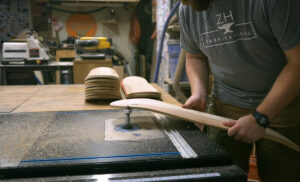
The stereotype of the slacker skater has been dead for twenty years. The modern skater is often the architect, the videographer, or the software engineer. We build the spots we skate, and increasingly, we build the digital platforms the world runs on.
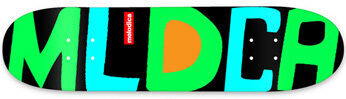
This duality is showing up in our softgoods. Skaters are trading generic sportswear for apparel that reflects their actual obsessions off the board. Whether it is the gritty aesthetic of classic skate graphics or the niche humour of the coding world, the goal is authenticity.
Intellect Over Brand Loyalty
This shift has opened the door for independent print shops that prioritise wit over branding. Platforms like Geek T-Shirts Co. have gained traction in the scene not because they market to skaters, but because they market to the people who skate — the devs, the math nerds, and the creatives who spend their days coding and their nights grinding curbs.
It is a rejection of fast fashion in favour of slow identity. If you spend forty hours a week in a terminal, wearing a shirt that references a Linux kernel joke is infinitely more punk rock than wearing a swoosh.
Conclusion
Skateboarding has always been about individuality. As the mainstream corporate world tries to buy our cool, the most rebellious thing you can do is stop advertising for them. Wear your brain, not their logo.